

Precision RAG
Prompt Tuning For Building Enterprise Grade RAG Systems

Introduction
In the dynamic world of artificial intelligence, prompt quality is critical to LLMS effectiveness. Prompt engineering, or the craft of writing queries or statements to guide LLMS, has become a necessary skill. This blog addresses the challenges of prompt engineering and how using some tools can improve automation and optimization for more effective LLMS use.
Understanding Prompt Engineering and Challenges

Handling complexity, biases, and carefully influencing the outputs of massive language models are all necessary when navigating their complexities. Consider it as a kind of large-scale AI puppetry orchestrated by tiny puppeteers. It can be difficult to understand why a model responds a certain way to a prompt. During the debugging process, this lack of interpretability makes fixing urgent problems and improving outputs more difficult.
The Goal
The goal of this blog is to create a practice RAG for a client name. PromptlyTech aims to make AI-powered solutions more accessible, efficient, and effective for a wide range of industries.
🕵️♂️🚀 Let's Dig In! 🚀🕵️♂️
RAG
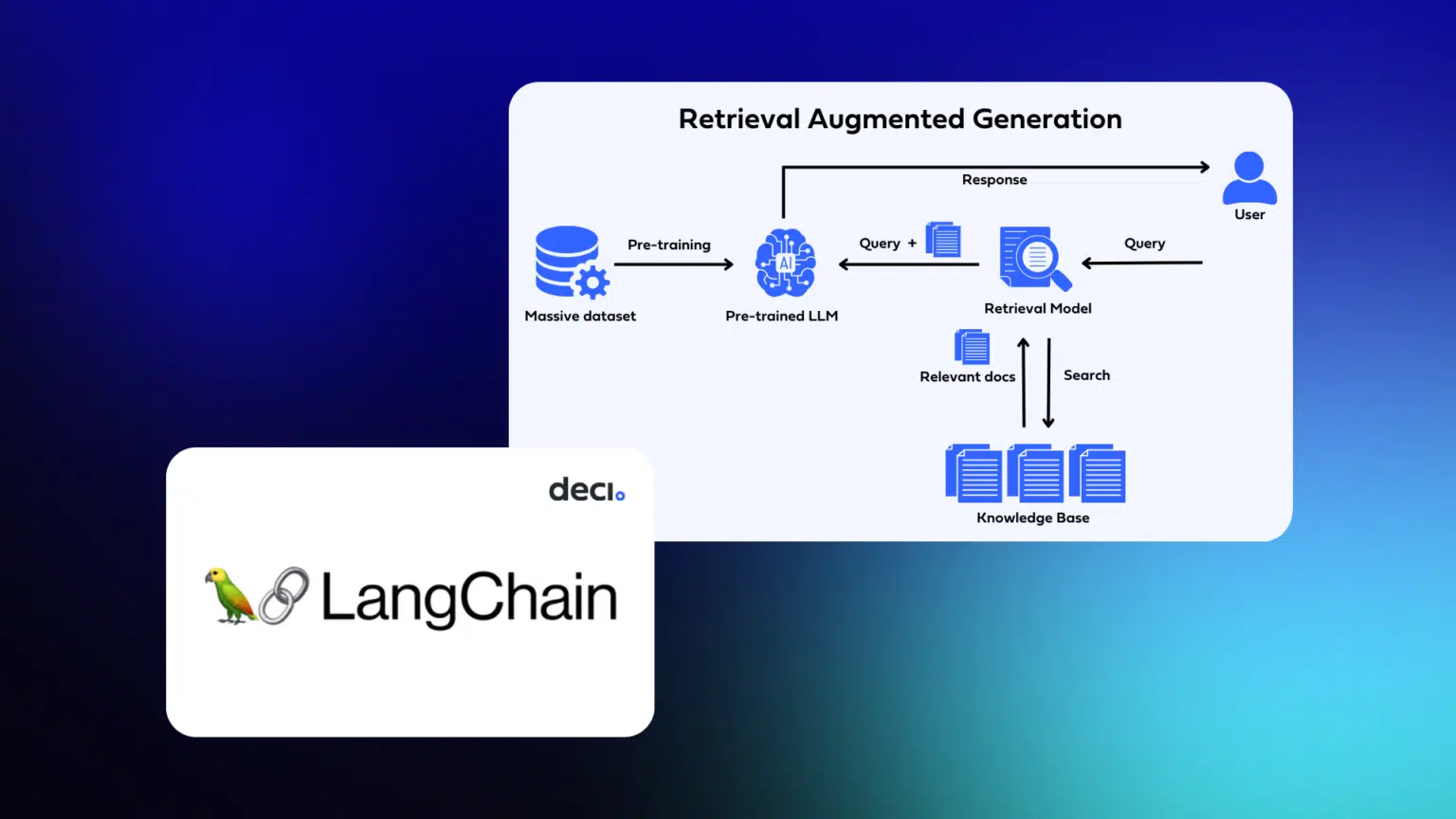
RAG, or Retrieval Augmented Generation, combines the capabilities of a language model and an integrated search engine. By querying an external database of text and code, it retrieves relevant information and uses it to generate accurate and informative responses to your prompt.
Key benefits:
More accurate and informative responses
Better handling of complex tasks
More efficient fine-tuning
Project Overview
The PromptlyTech prompt generated is structured around two essential components, each residing in its dedicated folder within the system:
frontend Package: content the user-facing interface of the PromptlyTech.
backend Package: The project backbone and inside there's all the code to generate prompts communicated endpoint.
PromptlyTech Services
Automatic Prompt Generation Service
Strengths: Time and expertise are saved by eliminating manual prompt crafting. Tailored prompts improve content quality. Allows companies that lack internal LLM knowledge to gain access to LLM.
Challenges: Providing user control and transparency during the decision-making process. Addressing potential bias in LLMs through prompt generation. Balancing automation and creativity.
Automatic Evaluation Data Generation Service
Strengths: Improves LLM performance and reliability with diverse test cases. Automates test case generation, reducing QA time. Provides comprehensive test coverage.
Challenges: Avoid over-adaptation for a thorough evaluation. Ensure that generated test cases are applicable in real-world scenarios. Consider the resource requirements for complex test cases.
Prompt Testing and Ranking Service:
Strengths: Provides accurate and contextually relevant LLM responses. Improves efficiency by selecting optimal prompts. Offers data-driven perspectives on LLM efficacy.
Challenges: Setting impartial evaluation standards. Ensure transparency and explainability in the ranking process. Adapting to new LLM features and changing user requirements.
Outcomes Attained
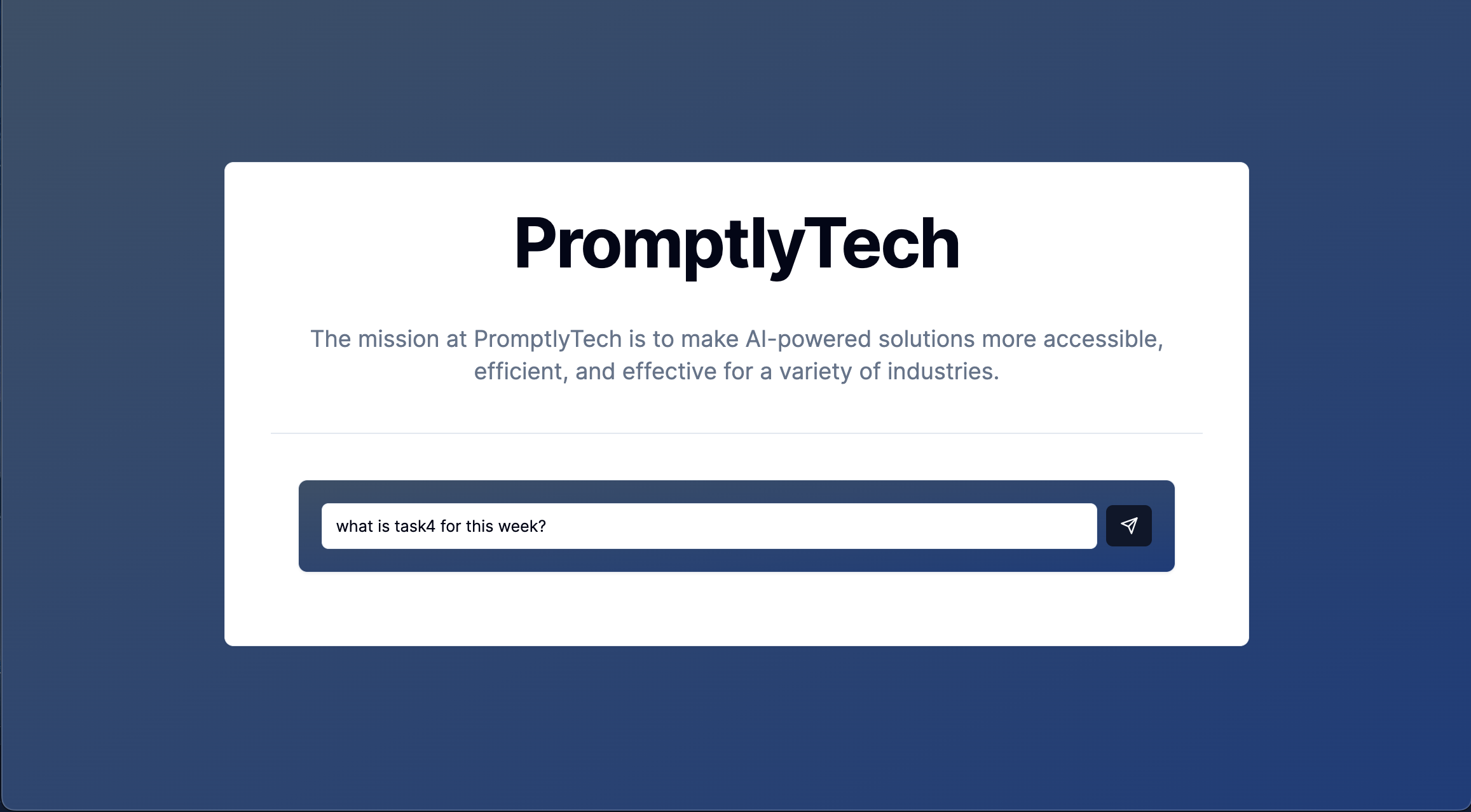
Successfully developed a RAG capable of retrieving from context and returning to llm.
Create a Langchain chatbot based on the purpose of user input.
Integrated automatic prompt generated through user interaction.
Limitations
Some limitations of the project include:
Even though the automatic Prompt generated is implemented, for the time being, the data is static is not dynamic as users expect
The existing system does not store the chat history; it is a live-only system. This suggests that it uses an in-memory store, storing data only while the session is in progress.
The project lacks optimization capabilities which may give the user bad experience the dataset
Future Plans
Dynamic Prompt Generation:
Implement real-time adaptability for dynamic user expectations.
Incorporate user input and feedback into prompt generation.
Chat History and Persistent Storage:
Enable chat history storage for user reference.
Implement persistent data storage beyond in-memory.
Optimization for User Experience:
Optimize prompt generation for improved efficiency.
Regularly update and refine the dataset.
Scalability and Resource Optimization:
Design for scalability to handle increased user loads.
Explore cloud-based solutions for resource optimization.